
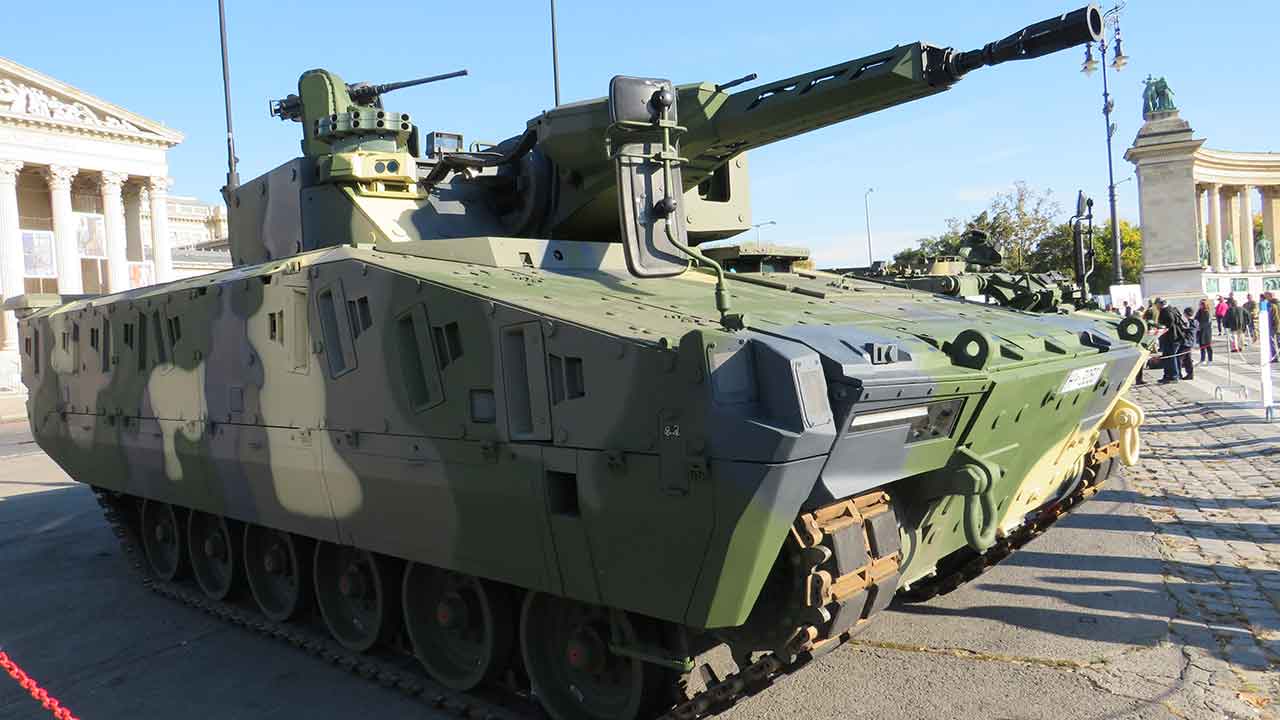
Rheinmetall has officially confirmed the start of deliveries of its latest Lynx KF41 infantry fighting vehicles to the Ukrainian Defense Forces, according to a statement published on the company’s official website.
According to Rheinmetall, the first batch of armored vehicles is expected to enter service in early 2026. The contract was signed in December 2025, with full funding for the first phase provided by the German government. The value of the initial batch, consisting of five vehicles, is estimated at several tens of millions of euros.
In a statement, company CEO Armin Papperger said the agreement represents an important milestone in support of Ukraine. According to him, the delivered vehicles will be equipped with the LANCE two-seat turret and specialized systems developed based on experience gained during combat operations on Ukrainian territory.
Rheinmetall also reported that the Lynx KF41 successfully passed a series of tests, confirming high levels of protection and firepower. The next stages of cooperation envisage not only the acquisition of additional units, but also the possibility of localizing Lynx production directly at facilities in Ukraine.
+ Ukrainian intelligence reveals details of the Russian Geranium-5 kamikaze drone
Lynx KF41 specifications
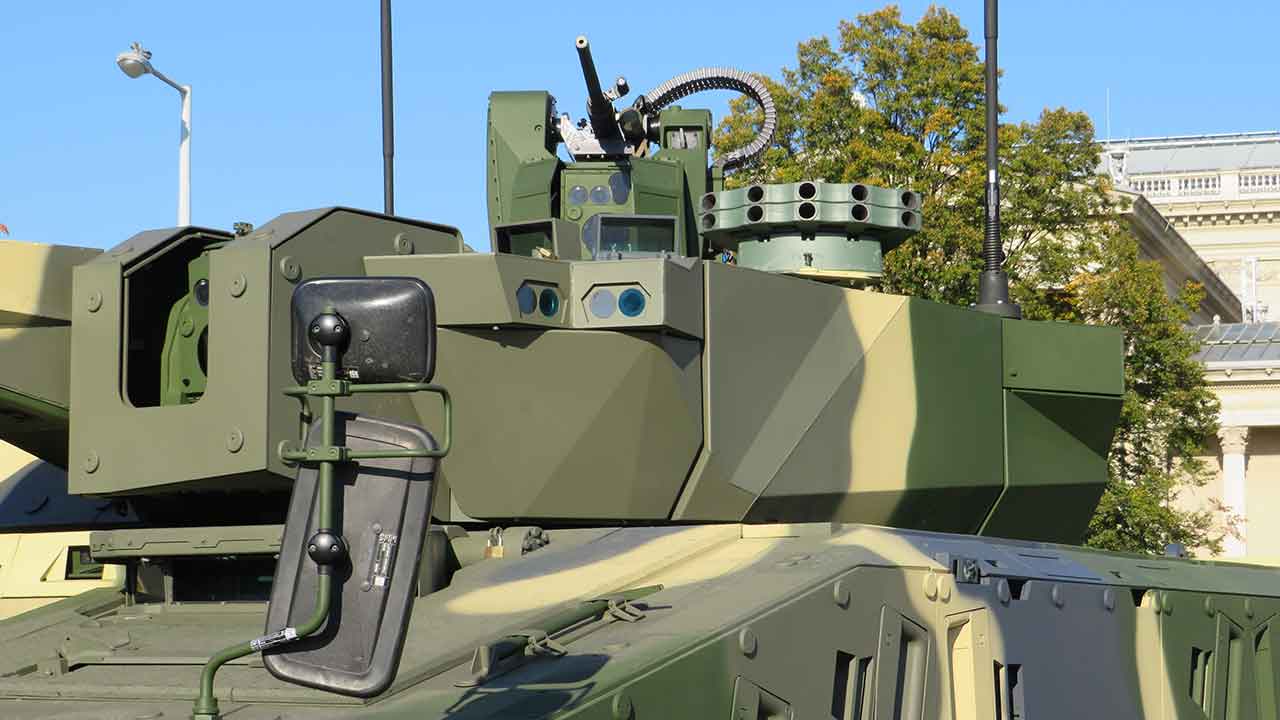
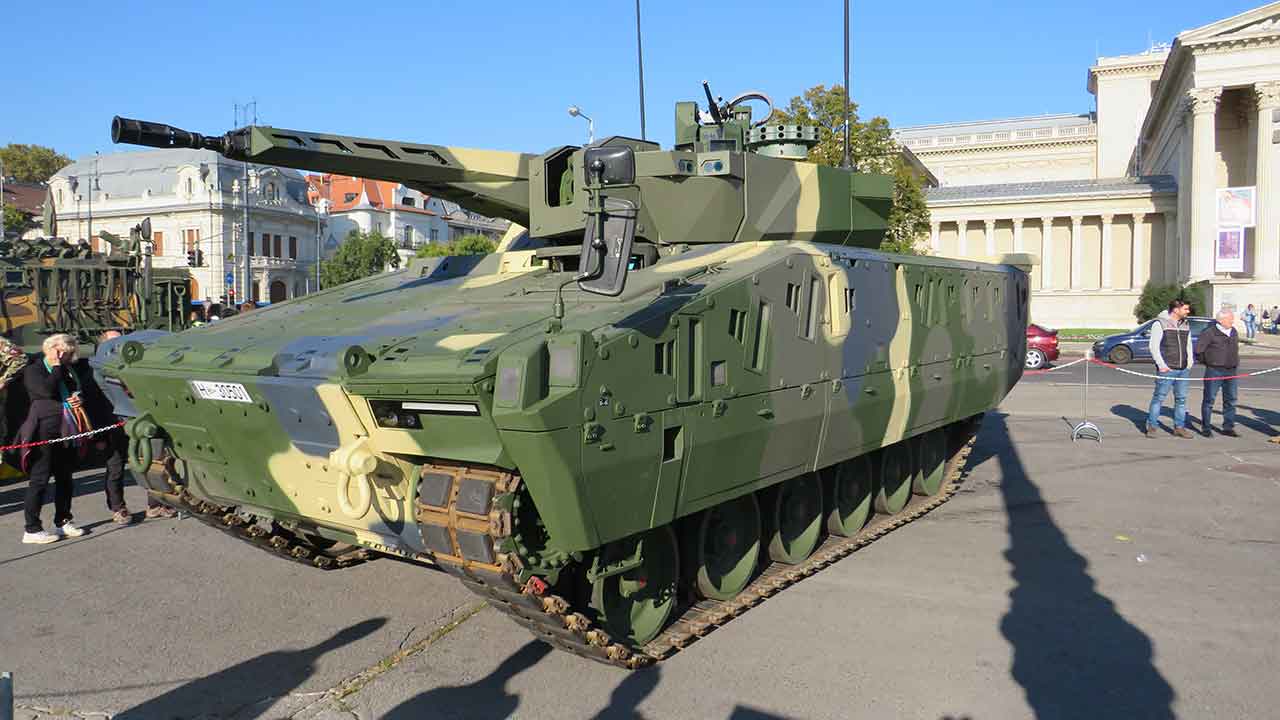
First publicly unveiled in 2018, the Lynx KF41 is a heavy infantry fighting vehicle with an approximate weight of 44 tonnes. Its main armament consists of a 30 mm or 35 mm automatic cannon mounted in the LANCE turret, in addition to a coaxial machine gun and an anti-tank missile launcher, configurable according to customer requirements.
The protection level includes resistance to projectiles of up to 30 mm on the frontal arc and 14.5 mm on the sides, while the hull floor provides protection against blasts equivalent to up to 10 kg of TNT. The vehicle is powered by a 1,470-horsepower Liebherr D9612 engine, reaching a top speed of around 70 km/h and an operational range of approximately 500 km on roads.
The crew consists of three personnel, with capacity to transport up to nine fully equipped infantry soldiers.
Production and funding
As part of the cooperation between Ukraine and Rheinmetall, an option was agreed to localize Lynx production in the country. However, according to Papperger, this step only becomes viable with larger-scale orders, estimated at between 200 and 300 vehicles.
The main challenge for expanding the program remains funding. While the first batch was financed by the German government, the sources of funding for any additional acquisitions have yet to be defined and could involve amounts on the order of hundreds of millions or even billions of euros.
Source and images: Militarnyi | Rheinmetall. This content was created with the help of AI and reviewed by the editorial team.
